Europe.
Established demand. A market-by-market approach.

Compare selected economies.
2024 reference-year data, not a live forecast. Use economic scale as context—not as a measure of demand for your product.
Source: World Bank World Development Indicators · Retrieved 2026-09-17 · CC BY 4.0. GDP and GDP per capita use current US dollars, not purchasing-power parity. GDP per capita is not household income; growth is the annual change in real GDP. Figures are rounded and subject to revision. Missing observations are shown as unavailable, never zero. A fixed 2024 snapshot keeps comparisons on the same reference year; newer releases may exist.
Explore the opportunity
Europe offers a wide range of consumer and industrial markets, but it is not a single commercial playbook. We help assess demand, distribution channels, landed pricing, and local requirements before committing resources.
Start with a focused shortlist rather than a continent-wide launch. Country-specific labeling, product regulations, tax considerations, and language needs should be reviewed with qualified specialists.
Our approach connects market research, distributor qualification, localized positioning, and a practical launch plan. The right entry route depends on your product, margins, and operating capacity.
A regional strategy, country-level decisions
Europe offers several distinct market-entry routes: a domestic UK launch, an EU country launch, or an EU inventory operation supplying multiple destinations. These should not share an undifferentiated budget. The selected guides cover the United Kingdom, Germany, France, and the Netherlands; Europe also includes other EU members and non-EU markets such as Norway and Switzerland, which need separate assessment. Germany, France, and the Netherlands share important EU frameworks, but national enforcement, language, packaging obligations, taxes, and channel economics still matter. A Dutch warehouse is a logistics decision, not proof of Dutch or wider European demand. Begin with the country and customer you can serve profitably, then decide which legal and operational work can genuinely be reused elsewhere.
Map the EU framework and national responsibilities
Use the European Commission's Access2Markets to investigate a product's tariff classification, origin, and market-access conditions. CE marking applies to specified product legislation, not every consumer product; food, cosmetics, electrical equipment, and general consumer goods follow different routes. Establish the required economic operator, technical evidence, traceability, and online-offer information for the exact category. An existing test report is not a universal permission to sell.
Within the selected EU markets, Germany's customs administration handles border questions, while authorities such as BVL and the competent state authorities are relevant to food oversight. France's DGCCRF covers consumer protection and product-market issues; the Netherlands' NVWA oversees food and consumer-product safety within its remit. Identify the actual competent authority rather than treating the Commission as your importer-registration desk.
For the UK, distinguish HMRC customs responsibilities from product oversight by bodies including OPSS and the Food Standards Agency. Great Britain manufactured-product guidance expressly separates Northern Ireland. Great Britain's recognition of CE marking covers specified regulations, so neither a blanket “UKCA only” rule nor “EU compliance covers everything” is a safe planning assumption.
Choose a buying channel, not a continent-wide retailer list
For grocery research, compare Tesco in the UK, REWE and EDEKA in Germany, Carrefour and E.Leclerc in France, and Albert Heijn in the Netherlands. These are examples of country-relevant channels, not endorsements or evidence of available listings. Ahold Delhaize's official brand directory illustrates why a corporate group and a local retail banner should be distinguished. Country assortments and buying responsibilities need direct confirmation.
A specialist importer, pharmacy distributor, foodservice wholesaler, or industrial distributor may be more suitable than national grocery. Ask who invoices each account, whether the partner supplies central warehouses or individual outlets, and how promotional deductions, listing costs, returns, and data access work. For marketplaces, separate a seller account from import, safety, tax, and customer-service responsibilities. A distributor promising “all Europe” should supply a country-by-country account plan and language capability before receiving broad exclusivity.
Test specific segments and localize the whole experience
Useful hypotheses might include UK specialist buyers seeking an underserved format, French foodservice operators needing consistent preparation yield, German repair-oriented customers valuing accessible spare parts, or Dutch urban households testing a compact pack. These are proposed research segments, not statements about national character. Interview buyers, observe comparable products, and test willingness to pay against delivered price rather than assuming that European customers uniformly prefer premium, sustainable, or imported goods.
Budget for English, German, French, and Dutch as the selected destinations require, with category-specific review of mandatory information. English-speaking trade contacts do not remove local-language consumer obligations. Translate instructions, warnings, claims, product search terms, service replies, and returns information together. Review environmental claims and disposal instructions locally; packaging registration and producer-responsibility tasks may differ even when the physical product is unchanged. Choose pack architecture that permits legitimate country variation without hiding mandatory information.
Separate border entry from onward fulfillment
Compare entry through Rotterdam or another EU port with direct delivery to the destination, including inland freight, inventory ownership, customs arrangements, VAT advice, and returns. EU customs release does not settle every destination-country obligation. A UK stock pool creates a separate border and operating question from an EU stock pool; moving unsold goods between them can consume margin.
For temperature-sensitive products, validate remaining shelf life after inspection and warehouse intake, not just the ocean transit estimate. For equipment, locate repair capacity and spare stock before promising service coverage. Test parcel surcharges and reverse logistics outside the first metropolitan area. Ask a fulfillment provider to price intake, storage, pick-and-pack, relabeling, rejected deliveries, and stock removal separately so a cheap headline shipping rate does not conceal the real operating model.
Launch priorities and avoidable mistakes
Select one destination, a narrow assortment, and one primary customer problem. Complete category classification and operator responsibilities before artwork approval; then obtain buyer feedback on the actual compliant pack and delivered price. Agree a pilot with stock limits, replenishment triggers, deduction reporting, and a review of repeat orders rather than distributor purchases alone.
Avoid treating EU membership as permission to skip national implementation, assuming Northern Ireland follows every Great Britain rule, or launching four languages before validating one channel. Do not let a convenient warehouse determine the sales strategy. Expansion should follow evidence that the first country produces sustainable contribution after returns, promotions, compliance administration, and local support. Recheck official category guidance before shipment; these regional signposts are not a legal determination.
Sources and further research
Official agencies and first-party business sources provide starting points for further investigation. Linked pages can change; this guide does not certify that every rule or supplier condition is current. Confirm product-specific rules, deadlines, fees, and buyer criteria directly before acting. The economic snapshot above has its own reference year and retrieval date.
- European Commission — Access2Markets
- UK government — manufactured products in Great Britain
- Germany — Federal Office of Consumer Protection and Food Safety
- France — DGCCRF
- Netherlands — NVWA
- Ahold Delhaize — official retail brand directory
Connect market research, partner development, and specialist coordination. Contact us about Europe to define a practical next step.
Europe, in 60 seconds.
The numbers, the buyers and the realities of selling in Europe — the short version.
Explore individual markets.
Different countries. Different commercial realities. Start with the context that matters to your next move.

Austria
Approach Austria as a quality-led German-language market with concentrated buyers, strong own-label, and national registrations beyond EU-level conformity.
Explore the country
Belgium
Plan Belgium as a bilingual market: Dutch and French packaging, concentrated retail by region, port-linked re-export questions, and national registrations.
Explore the country
Czechia
Test Czechia through concentrated retail buyers, strong domestic ecommerce, koruna pricing, and Czech-language obligations alongside EU frameworks.
Explore the country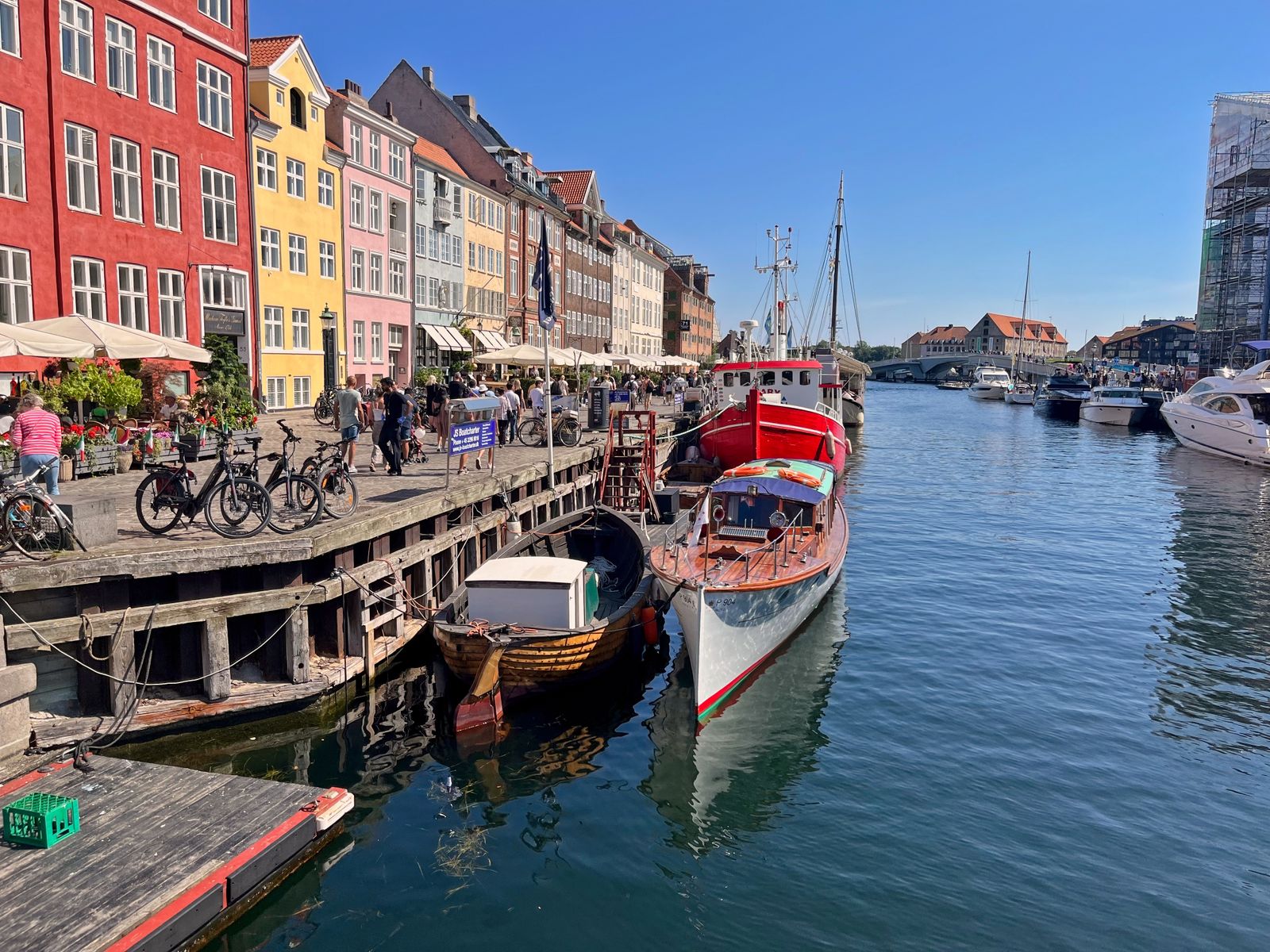
Denmark
Sell into Denmark's concentrated retail system with substantiated claims, high-cost logistics planning, and Danish-level registrations alongside EU rules.
Explore the country
Finland
Plan Finland around two dominant retail groups, bilingual pack information, packaging deposit schemes, and year-round delivery to a dispersed network.
Explore the country
France
Shape a French market-entry plan around category positioning, local-language selling, selective distribution, and disciplined launch economics.
Explore the country
Germany
Evaluate German distributors, specialist channels, product documentation, and after-sales expectations before committing to a national launch.
Explore the country
Greece
Enter Greece through concentrated supermarket groups, island and seasonal logistics, Greek-language packaging, and written payment and promotional terms.
Explore the country
Hungary
Build Hungary plans on concentrated retail, forint currency scenarios, Hungarian-language obligations, and partners verified account by account.
Explore the country
Ireland
Plan Ireland as a distinct EU market with concentrated grocery buyers, island logistics, and careful Republic-versus-all-island partner scoping.
Explore the country
Italy
Build an Italy plan around regional demand, multi-layer distribution, strong retailer brands, and careful payment and packaging preparation.
Explore the country
Netherlands
Distinguish Dutch customer demand from a European logistics strategy, then test importer responsibilities, channel fit, and regional distribution scope.
Explore the country
Norway
Treat Norway as a distinct EEA market outside the EU customs union: concentrated retail, high service expectations, and scoped geography.
Explore the country
Poland
Plan Poland around discount-led retail, parcel-locker ecommerce, Polish-language obligations, and zloty pricing against EU frameworks.
Explore the country
Portugal
Scope Portugal on its own terms: concentrated modern retail, Portuguese-language requirements, smaller order economics, and directly accountable partners.
Explore the country
Romania
Approach Romania as a value-anchored growth market: concentrated modern retail, persistent traditional trade, local ecommerce, and leu planning.
Explore the country
Spain
Approach Spain through regional demand differences, strong own-label competition, Spanish-language selling, and a partner structure matched to the channel.
Explore the country
Sweden
Plan Sweden through concentrated grocery groups, long-distance logistics, krona pricing, and substantiated sustainability claims within EU frameworks.
Explore the country
Switzerland
Treat Switzerland as a separate customs territory: Swiss product rules, franc pricing, multilingual packs, and buyers who compare prices across borders.
Explore the country
Türkiye
Enter Türkiye with precise customs-union scoping, lira risk management, Turkish-language selling, and city-by-city demand testing.
Explore the country
United Kingdom
Plan a focused UK launch around retail economics, local fulfillment, buyer evidence, and the distinction between Great Britain and Northern Ireland.
Explore the countryPlan your next step in Europe.
Tell us your product, current markets, target customer and the questions you need to resolve. We can discuss a focused market-entry brief, partner research and specialist coordination.