Africa.
Identify focused opportunities in diverse economies.

Compare selected economies.
2024 reference-year data, not a live forecast. Use economic scale as context—not as a measure of demand for your product.
| Economy | GDP (current US$) | Population | GDP per capita (current US$) | Real GDP growth |
|---|---|---|---|---|
| Algeria | US$269.32 billion | 46.81 million | US$5,753 | 3.7% |
| Côte d'Ivoire | US$87.11 billion | 31.93 million | US$2,728 | 6.0% |
| Ethiopia | US$149.74 billion | 132.06 million | US$1,134 | 7.6% |
| Ghana | US$83.29 billion | 34.43 million | US$2,419 | 5.8% |
| Kenya | US$120.40 billion | 56.43 million | US$2,133 | 4.7% |
| Mauritius | US$14.94 billion | 1.25 million | US$11,991 | 4.9% |
| Morocco | US$160.61 billion | 38.08 million | US$4,153 | 3.8% |
| Nigeria | US$252.26 billion | 232.68 million | US$1,084 | 4.1% |
| Senegal | US$32.17 billion | 18.50 million | US$1,739 | 6.5% |
| South Africa | US$401.14 billion | 64.01 million | US$6,267 | 0.5% |
| Tanzania | US$79.24 billion | 68.56 million | US$1,193 | 5.5% |
| Tunisia | US$51.41 billion | 12.28 million | US$4,188 | 1.6% |
Source: World Bank World Development Indicators · Retrieved 2026-09-17 · CC BY 4.0. GDP and GDP per capita use current US dollars, not purchasing-power parity. GDP per capita is not household income; growth is the annual change in real GDP. Figures are rounded and subject to revision. Missing observations are shown as unavailable, never zero. A fixed 2024 snapshot keeps comparisons on the same reference year; newer releases may exist.
Explore the opportunity
Africa is a collection of distinct markets, not a single entry strategy. We help brands evaluate selected opportunities against customer needs, channel access, distributor capabilities, and delivery economics.
A disciplined assessment should consider payment risk, import requirements, logistics, local competition, and the support a distribution partner will need.
Our work starts with evidence-led prioritization and moves toward qualified partner conversations and coordinated specialist input.
A regional strategy, country-level decisions
Africa needs country and corridor choices, not a single continental market-entry formula. The selected guides cover South Africa, Kenya, Morocco, and Nigeria: different Southern, Eastern, Northern, and Western African contexts, not proxies for every neighboring country. Many other destinations remain outside this guide coverage. The African Continental Free Trade Area provides an important integration framework, but does not create one customs office, product regulator, currency, or consumer market. South African distribution does not automatically solve Kenyan certification, Moroccan food clearance, or Nigerian registration. Begin with a reachable account cluster and a specific product need, then compare the importer, service, payment, and logistics arrangements required to serve it. A regional growth narrative should never substitute for evidence of paid demand.
Map continental ambitions, regional blocs, and national authorities
The AfCFTA Secretariat publishes agreement texts, operational instruments, an e-Tariff Book, and implementation information. Preferential treatment must be checked against the trading countries, product schedule, origin rules, and procedures actually available. Imported goods do not become African-origin goods merely by being stored or resold in a member country. Other arrangements, including SACU, the EAC, and ECOWAS, have distinct memberships and rules; none should be used as a synonym for Africa.
For South Africa, distinguish SARS customs from NRCS compulsory specifications and SAHPRA oversight of applicable health products. Relevant food requirements may involve health and agricultural authorities; classification determines the path. In Kenya, KRA customs and KEBS conformity processes have different functions. KEBS describes its Pre-Export Verification of Conformity program as checking applicable Kenyan requirements in exporting countries. Check scope, exemptions, and the authorized provider before loading; do not assume inspection can always be fixed on arrival.
In Morocco, investigate customs through ADII and food, animal, and plant controls through ONSSA; industrial conformity needs its own review. In Nigeria, separate Nigeria Customs Service clearance, NAFDAC-regulated food, drugs, cosmetics, and related categories, and SON requirements for relevant products. Verify registration holders, importer permissions, labeling, and shipment documents locally. A standards certificate, health registration, and customs release answer different questions.
Select a formal retail, wholesale, or technical channel
For South African grocery research, Shoprite and Checkers are useful banner examples, while specialist and wholesale channels may better suit particular products. Naivas is a Kenya-specific supermarket research example; its official site describes its Kenyan store and service network, which should not be mistaken for established coverage throughout East Africa. Marjane in Morocco and SPAR-branded stores in Nigeria are further country-scoped retail examples to investigate. Confirm the operating company, category buyer, and current footprint before outreach.
Independent shops, wholesalers, institutional buyers, foodservice operators, and industrial distributors can be important alternatives. Choose based on demonstrated customer access rather than assuming that either modern retail or informal commerce represents every market. Ask who extends credit, breaks bulk, replenishes outlets, handles merchandising, and reports final sales. A technical partner should show trained staff and parts availability. Evaluate each prospective distributor's financial and operational capacity proportionately, without treating a country label as a substitute for counterparty diligence.
Frame consumer research around needs and constraints
Potential tests include South African service operators comparing repairability, Kenyan retailers evaluating a pack with a manageable cash outlay, Moroccan hospitality buyers testing consistent preparation performance, or Nigerian professional users needing reliable consumable supply. These are hypotheses, not national traits. Research premium and value segments separately within the reachable geography. Compare total cost per use with immediate purchase price, and ask buyers about substitution, storage, replenishment, and service expectations.
English may support some South African, Kenyan, and Nigerian business interactions, but does not describe every customer or satisfy every category rule. Plan additional language support using the actual audience; Kiswahili in Kenya and local-language communication elsewhere may be commercially relevant. In Morocco, investigate Arabic labeling obligations and the practical role of French and other languages in the intended channel. Review labels, instructions, claims, and service material with local specialists. Do not assume one French, English, or Arabic pack makes a product continent-ready.
Cost the corridor, the last mile, and the payment cycle
For South Africa, compare the chosen port and inland route to the account cluster rather than assuming a Durban shipment serves every destination equally. In Kenya, examine Mombasa-to-Nairobi handling and onward delivery where relevant. In Morocco, choose between suitable port and airport routes based on the customer, not the visibility of a logistics hub. In Nigeria, obtain current clearance and inland delivery arrangements for the actual port and receiving location.
Ask providers for recent lane-specific performance, storage conditions, insurance coverage, and contingency plans. Assess electricity continuity and temperature control at the actual facilities instead of making a blanket infrastructure claim. For equipment, identify repair access and spare-stock ownership. Compare payment methods, credit security, currency conversion, and remittance documentation with qualified advisers and the partner's bank. Build a downside cash scenario for delayed collection or replenishment; do not generalize that all African customers face the same currency or payment constraints.
Prove one operating model before expanding
Launch in one country and a manageable customer cluster with a defined importer and narrow assortment. Complete required pre-shipment conformity and category approvals before dispatch. Validate the final pack and delivered price, establish stock and credit limits, and require traceable sales, complaints, and inventory-age reports. Measure repeat orders and collections alongside availability and after-sales performance.
Avoid interpreting AfCFTA as immediate duty-free access for all goods, appointing a continent-wide distributor without local teams, or assuming a successful Johannesburg pilot proves Lagos demand. Do not price only to the port and leave inland service unowned. Expansion should follow a second country's verified product route, real account access, and workable cash cycle. Reuse lessons from the first launch, but retain a separate country compliance file and operational budget.
Sources and further research
Official agencies and first-party business sources provide starting points for further investigation. Linked pages can change; this guide does not certify that every rule or supplier condition is current. Confirm product-specific rules, deadlines, fees, and buyer criteria directly before acting. The economic snapshot above has its own reference year and retrieval date.
- AfCFTA Secretariat — legal and operational instruments
- South Africa — SARS customs and excise
- US International Trade Administration — South African distribution
- Kenya — KEBS pre-export conformity verification
- Morocco — ONSSA food and agricultural safety
- Nigeria — NAFDAC regulated products and guidance
- Naivas — official Kenya retail and store information
Connect market research, partner development, and specialist coordination. Contact us about Africa to define a practical next step.
Africa, in 60 seconds.
The numbers, the buyers and the realities of selling in Africa — the short version.
Explore individual markets.
Different countries. Different commercial realities. Start with the context that matters to your next move.

Algeria
Approach Algeria cautiously: restrictive import rules, dinar convertibility limits, and local-production preferences reward careful preparation.
Explore the country
Côte d'Ivoire
Use Abidjan's port and retail depth as the anchor, verify distributor coverage beyond the city, and plan in French within WAEMU rules.
Explore the country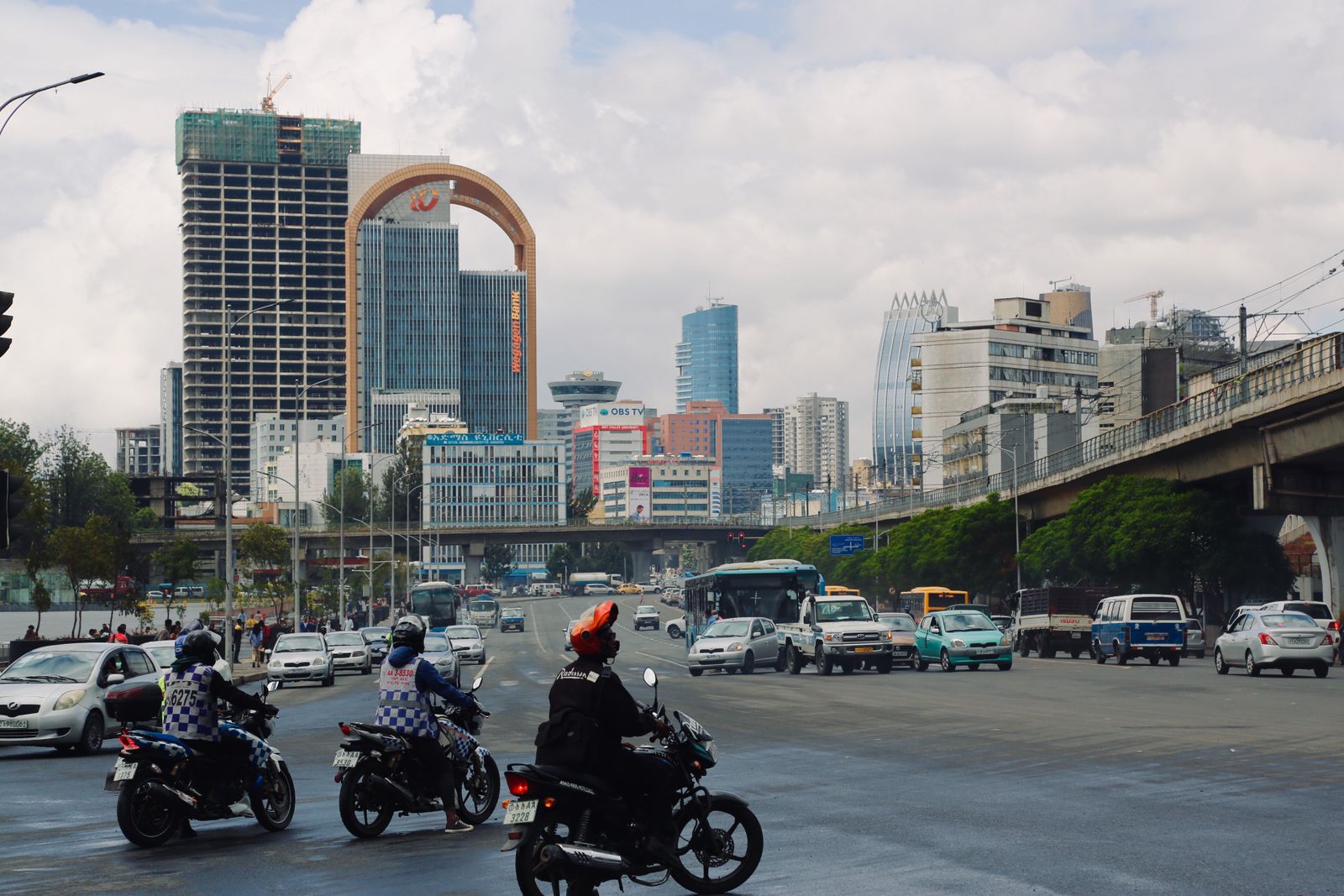
Ethiopia
Treat Ethiopia as a distinct, tightly regulated market: the Djibouti corridor, foreign-exchange constraints, and thin modern retail shape every plan.
Explore the country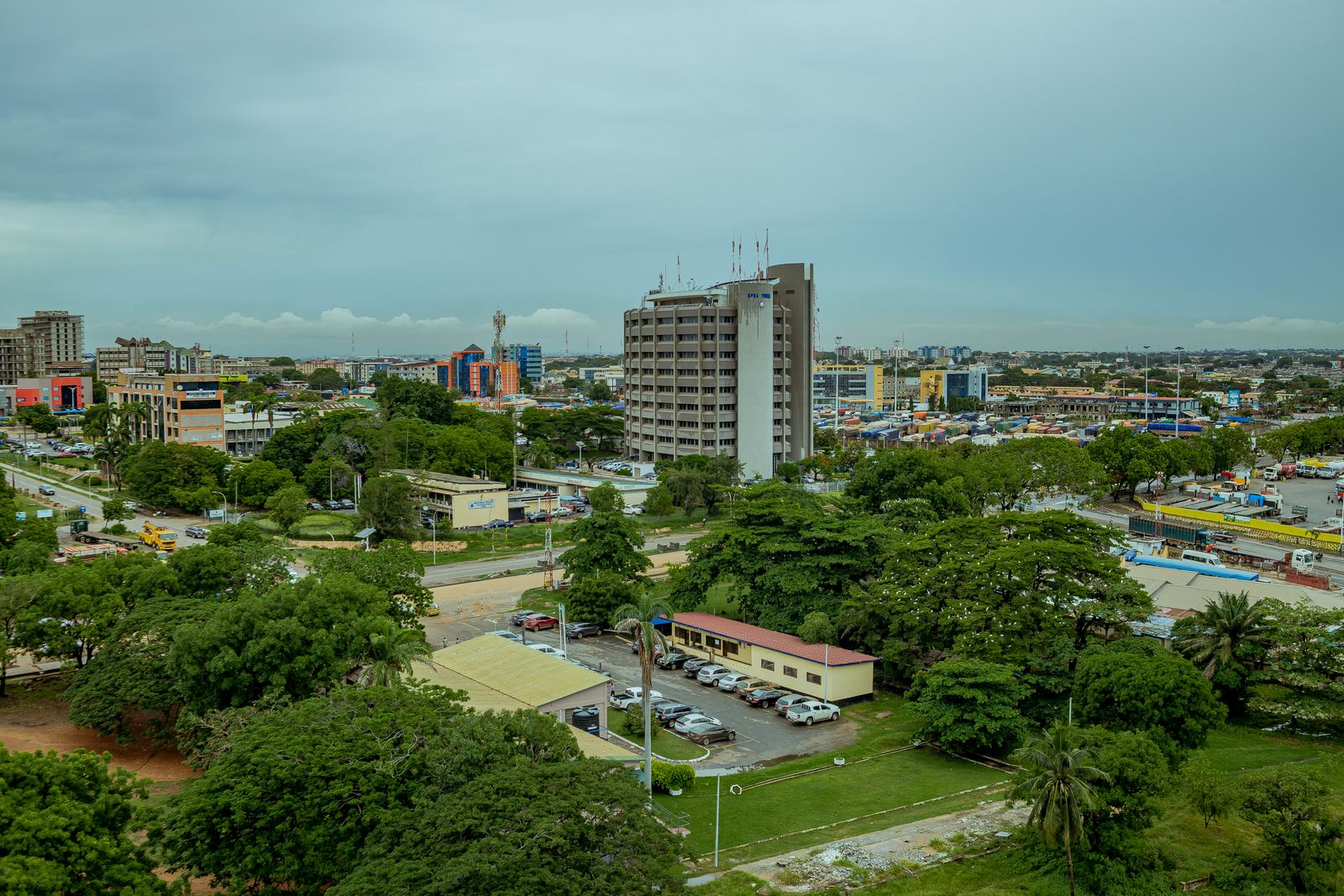
Ghana
Plan a Ghana launch around Accra-led modern trade, Tema port logistics, cedi currency exposure, and distributor coverage beyond the capital.
Explore the country
Kenya
Plan a Kenya launch around a defined buyer segment, credible importer and distributor roles, local delivery economics, and measurable account development.
Explore the country
Mauritius
Use Mauritius as a high-income test market and possible Indian Ocean hub, verifying volumes, bilingual packaging, and hub claims on evidence.
Explore the country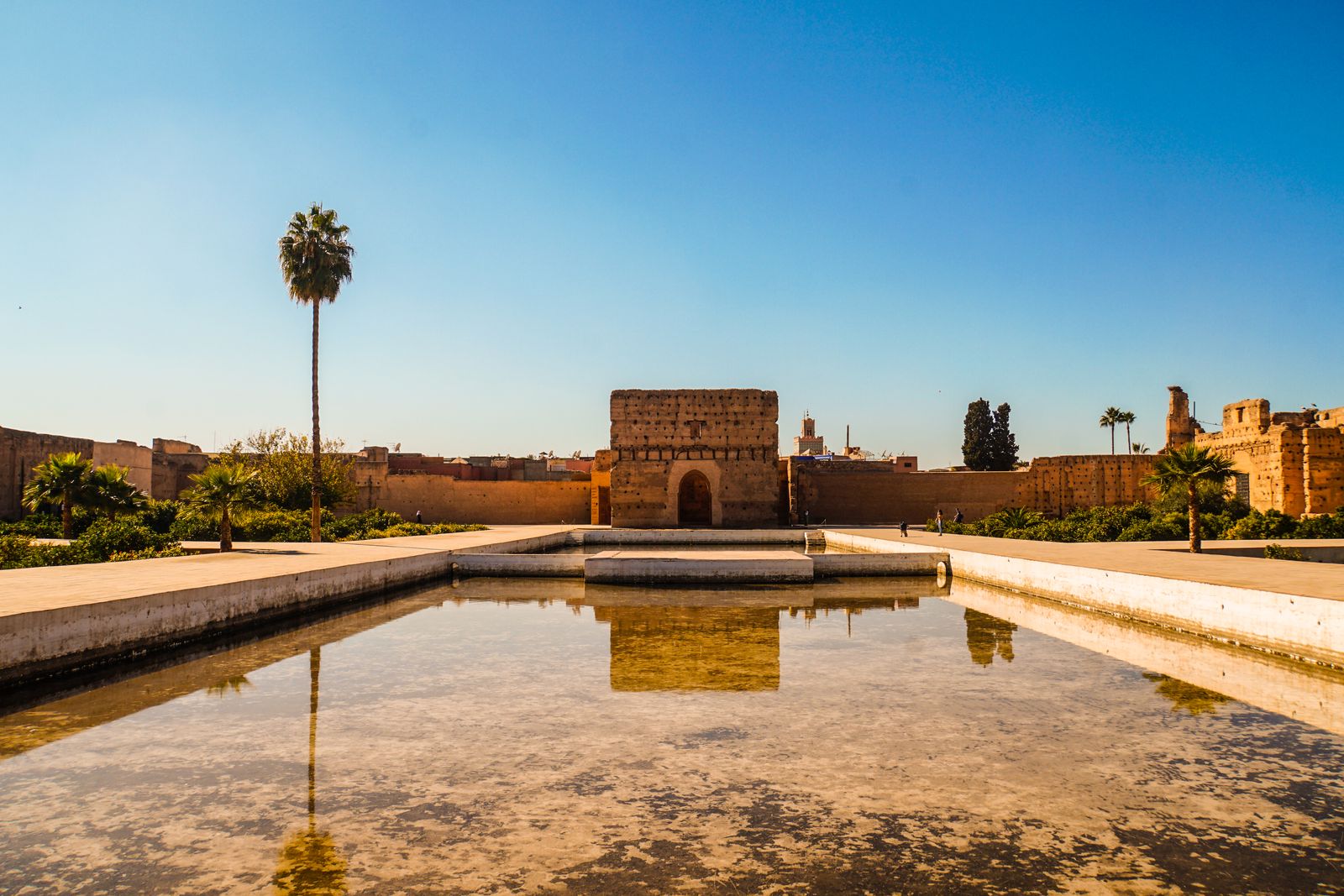
Morocco
Assess Moroccan industrial and consumer channels with appropriate language preparation, importer diligence, and a clear distinction between local and onward trade.
Explore the country
Nigeria
Evaluate Nigeria with a tightly scoped channel and geography, robust distributor diligence, category preparation, and explicit cash and service controls.
Explore the country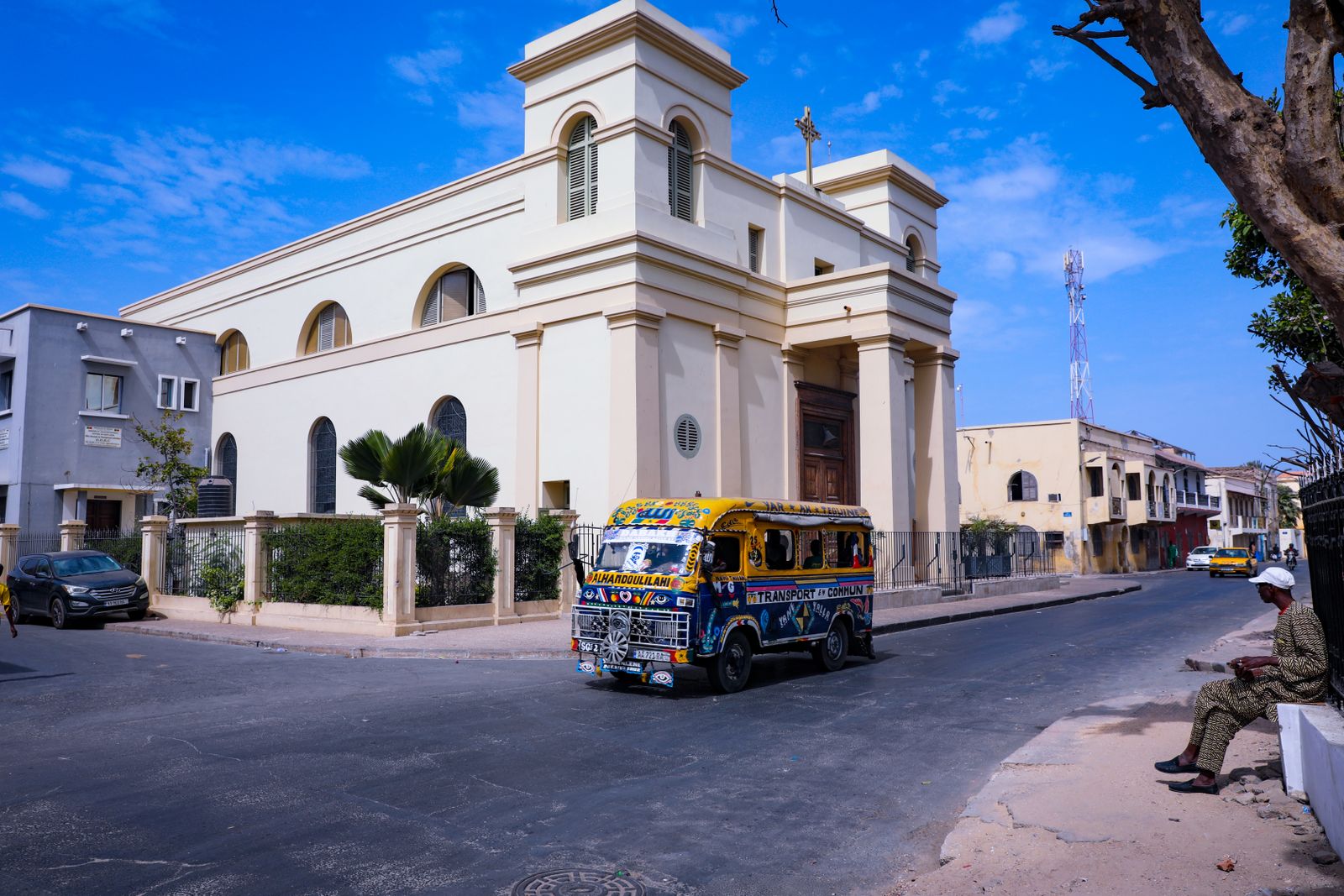
Senegal
Build a Senegal plan in French around Dakar's port and modern trade, CFA franc payment realities, and WAEMU and ECOWAS regional rules.
Explore the country
South Africa
Evaluate South African channels, local service capability, regional distribution claims, and operational resilience before extending an export footprint.
Explore the country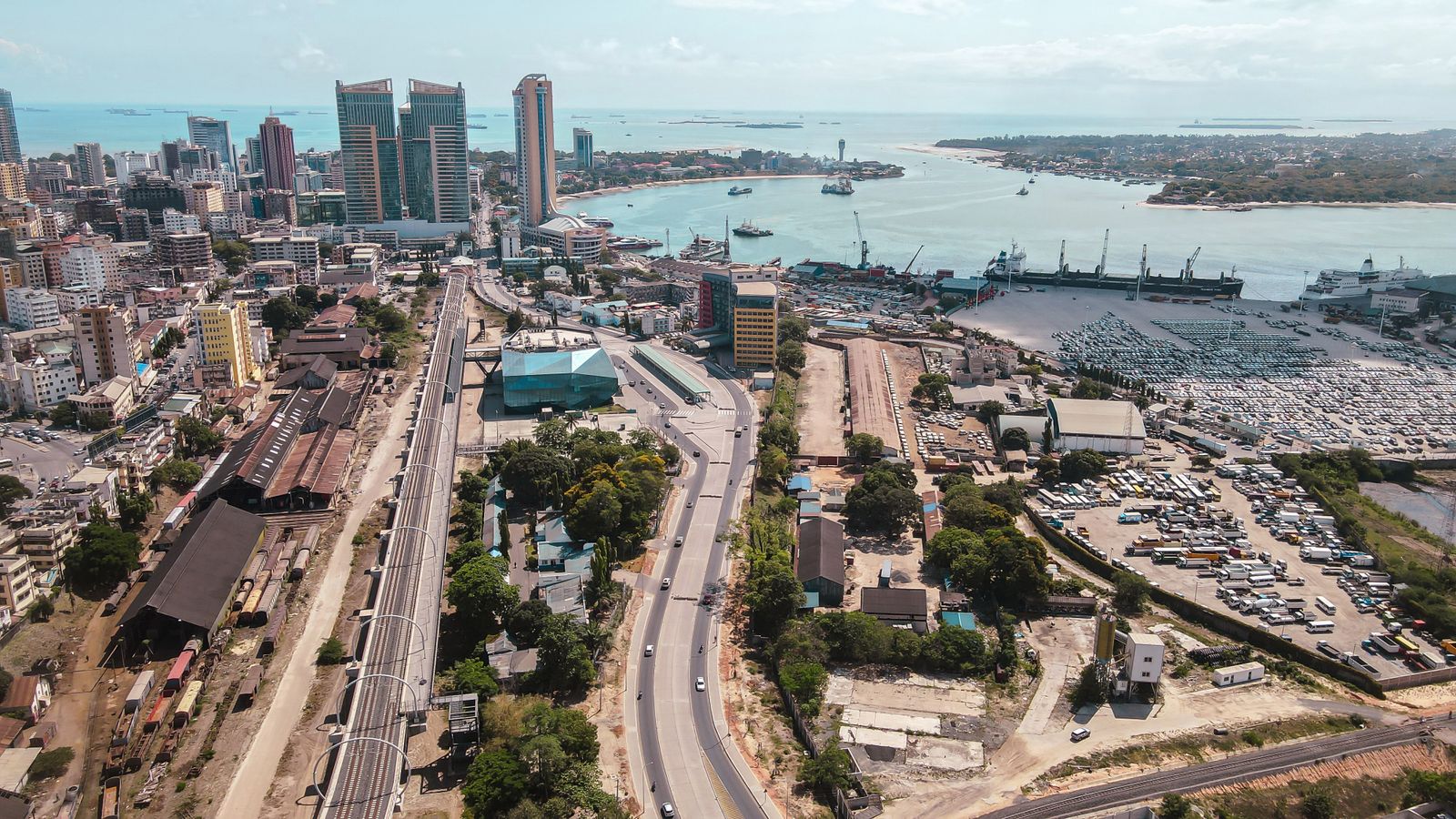
Tanzania
Assess Tanzania through Dar es Salaam's port and retail concentration, mainland versus Zanzibar regulatory differences, and real inland coverage.
Explore the country
Tunisia
Assess Tunisia with French and Arabic preparation, dinar and import-financing constraints, and realistic expectations for modern retail reach.
Explore the countryPlan your next step in Africa.
Tell us your product, current markets, target customer and the questions you need to resolve. We can discuss a focused market-entry brief, partner research and specialist coordination.